


Partnering with the Norwegian National Team
When the Norwegian National Climbing Team reached out to Rúngne, the task was clear: create a team kit built for performance on the wall. Something that not only looked official, but athletes would actually want to wear in competition and on the wall. That meant every detail had to earn its place.
From the beginning, the requirements were specific. The kit needed to be exceptionally lightweight. It couldn’t catch on holds. It couldn’t create friction against the body. It had to move cleanly, feel good at full extension, and still make the team look distinct when they stepped onto the wall.
From first draft sketches in late September to finished kits delivered in mid-February, the timeline was tight, and the team’s feedback would be integral to the final result.
Built with athlete feedback
One of the most important parts of the process was getting direct input from the athletes themselves.
Rather than designing in a vacuum, the Rúngne design team worked with athlete feedback on fit, movement, and feel. The athletes were clear about what they liked on the wall and, just as importantly, what they didn’t. Some previous kits had been too restrictive. Some fits pulled when lifting the legs high. Some tank tops were too tight under the arms. Fabric feel mattered — especially for climbers dealing with dry fingers and constant contact with the wall.

The goal wasn’t just to make something lighter. It was to make something that felt seamless as the athlete was climbing.
During the process the athletes tried different versions, shared feedback, and helped narrow the direction. From there, the design team did multiple in-house rounds of refinement, especially on the men’s tanks and women’s shorts, until the fit matched both the athletes’ requests and the standard Rúngne wanted to hit.
Piece by piece: designing the kit
The final team kit includes shorts, tees, tanks, and a full-zip technical fleece. Each piece solves a slightly different problem, but they all come back to the same idea: unrestricted movement.

Shorts
The shorts were one of the clearest examples of athlete-led design.
The women’s shorts combine an airy nylon-blend outer shell with an ultrathin inner short. The outer fabric is breathable and durable, with tiny perforations that help keep the piece light and ventilated. The inner short was intentionally made very thin, after earlier prototypes felt too tight and too hot through the thigh. Side slits were added to improve freedom of movement, and the waistband uses a drawstring for a secure fit without feeling restrictive.

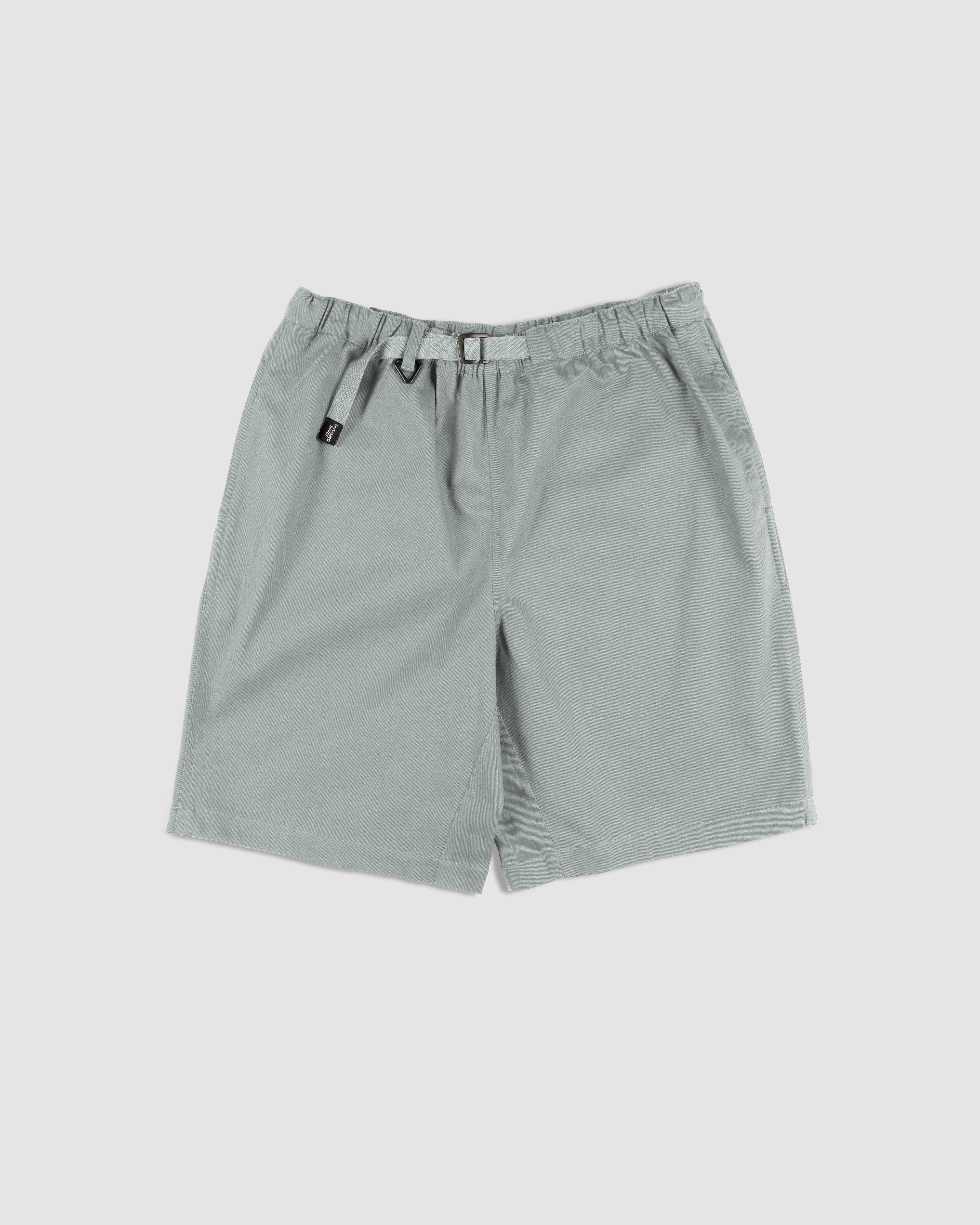
The men’s shorts take a different approach. They use the same breathable main fabric, but without the inner short. The waistband combines elastic with a drawstring, and one request from the men’s team came through especially clearly: no pockets. They didn’t want extra material getting in the way or openings shifting while climbing, so the final version leaves them out completely.
Across both versions, the fit was shaped around one of the athletes’ biggest priorities: the shorts had to move with the body, not fight it.
Tees
The tees use a soft polyester-spandex blend chosen for stretch, durability, and comfort. The fabric has enough structure to feel substantial, and avoids the overly light, clingy feel that can happen with some performance materials.
Just as important, it was chosen for how it behaves while climbing. It doesn’t stick to the wall, doesn’t snag easily, and doesn’t create that pulling sensation against dry skin and fingertips.
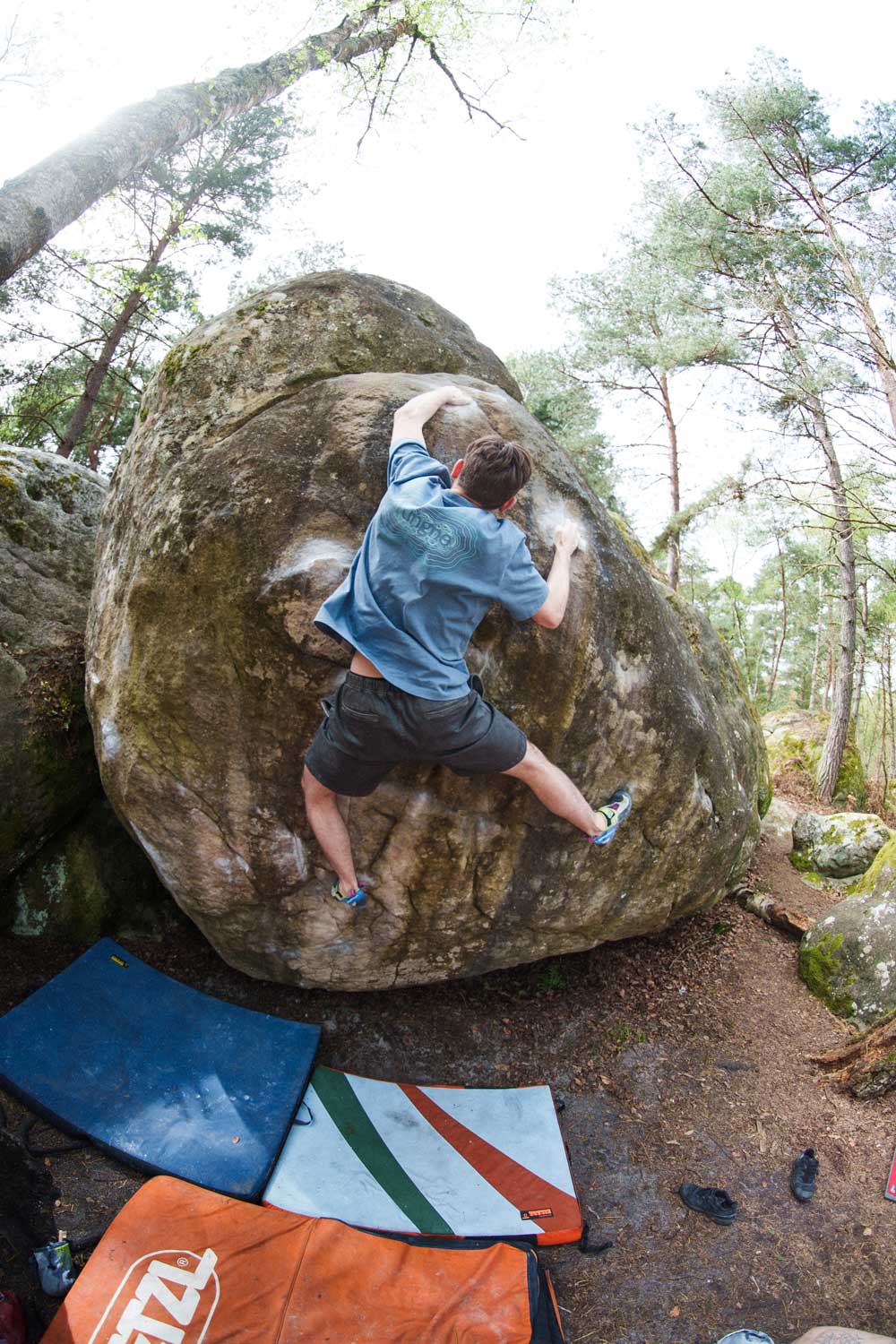
Subtle laser-cut ventilation holes are built in throughout the Rúngne logo mark across the front and back of the tees, adding extra breathability, while keeping the visual design subtle.

Fit was another focus. The athletes wanted enough room through the armholes and upper body that the shirt wouldn’t get pulled upward when arms are moved overhead — coming back to a design that doesn’t restrict movement: the tee had to stay in place regardless of how the athlete moved on the wall.
Tanks
The tanks use the same fabric as the tees, but lean more into visual identity.
Built in a three-color panel design, the tanks were developed with a Norway-inspired palette. The men’s version has a looser, boxier cut, while the women’s version is more fitted and includes pleating at the chest for shape and comfort.

Interestingly, while the athletes had plenty of feedback specially about fit and movement, the visual direction for the tanks came more from the Rúngne side: the design team translated that into something that would still stand out on the wall and read clearly as a national team kit, while maintaining fit and functionality.
The fleece
For the team version, Rúngne developed a full-zip technical fleece rather than the quarter-zip version that’s planned for retail later this year.
That decision came directly from practical feedback. A full zip is easier to get on and off quickly during competitions, easier on athletes with ponytails, and more accessible for wheelchair athletes on the team. In other words, usability was the most important factor.
The fleece itself uses a textured, stretchy grid fleece fabric designed for comfort and mobility, with a gusseted underarm to improve range of motion. A small contrast detail at the chin guard ties it back to the fabric used in the tees and tanks.
The design team noted that the fleece is one place the team likely would have pushed development further if there was more time — especially by creating a more distinct women’s-specific fit. But that’s also part of the reality of product development: sometimes getting to the right solution means learning what you’d refine in the next version.

Why this project mattered
For Thelma, Rúngne’s lead product designer, the process was personal as well as technical.
Before designing at Rúngne, she competed on a national team herself — in diving. That experience gave her a direct understanding of what it feels like to be handed standardized team gear that doesn’t really fit, doesn’t move well, or doesn’t help performance.
Being able to speak directly with athletes, hear what they wanted, and turn that into a real kit was one of the most rewarding parts of the process. Seeing the team receive the final pieces, and seeing how happy they were with the result was the kind of feedback every designer hopes for.
More than a team kit
The Norwegian National Climbing Team kit was built first and foremost for competition and official team use, but the thinking behind it goes beyond one partnership.
It reflects something Rúngne is continuing to explore: performance-focused apparel shaped by actual movement, real feedback, and a climbing-specific point of view. That’s where the idea of the Performance Collection comes in.
Some of the same pieces and design principles are already being translated into concepts for retail versions. The team kit may be specific to the Norwegian National team, but the design thinking behind it is broader: lighter fabrics, cleaner movement, better fit, fewer distractions.
Interested in performance pieces similar to the the Norwegian Team kit? → Share your thoughts in the survey

Share:
Crag Pets Photo Contest Winners